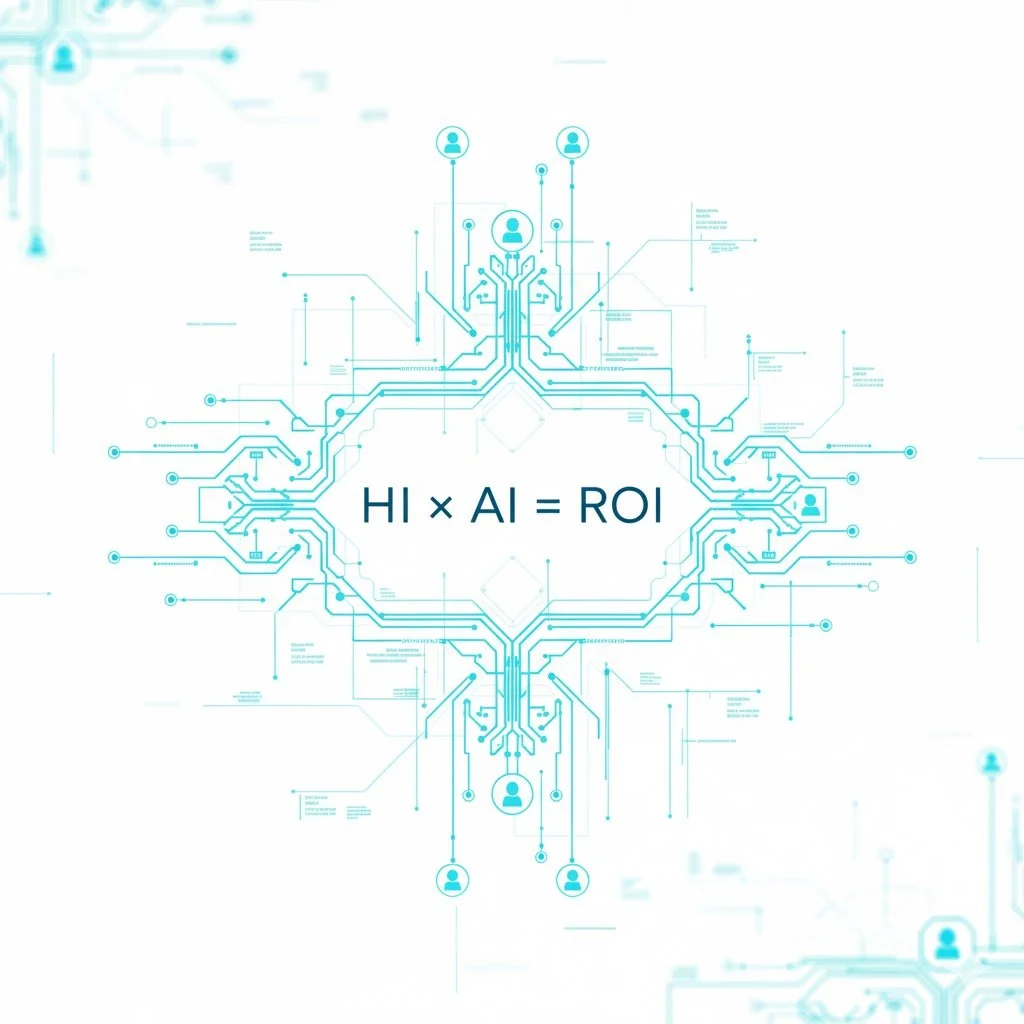
The Human Inflection Point: Governing the "System of Agency"
Moving from Human-in-the-Loop to Human-on-the-Loop. Ryan Vatanchi explores the Josh Bersin 'System of Agency' and why HR must evolve from Administrators to Architects.
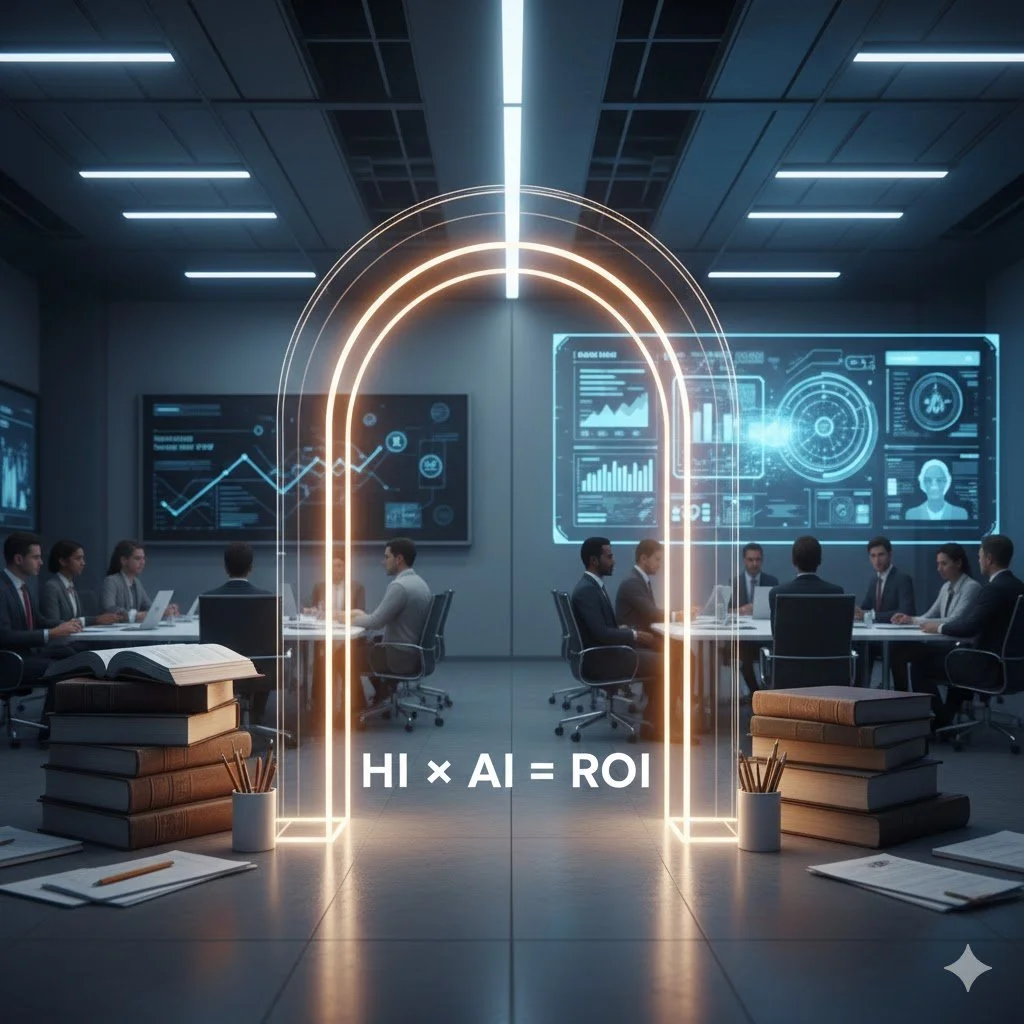
Beyond the Solution: Why AI is Killing the "Static" Case Study
If AI can solve a business case in seconds, what are we actually teaching? Ryan Vatanchi explores the shift from static case studies to dynamic, iterative learning in HR and why "Human Ingenuity" is the new grading standard.
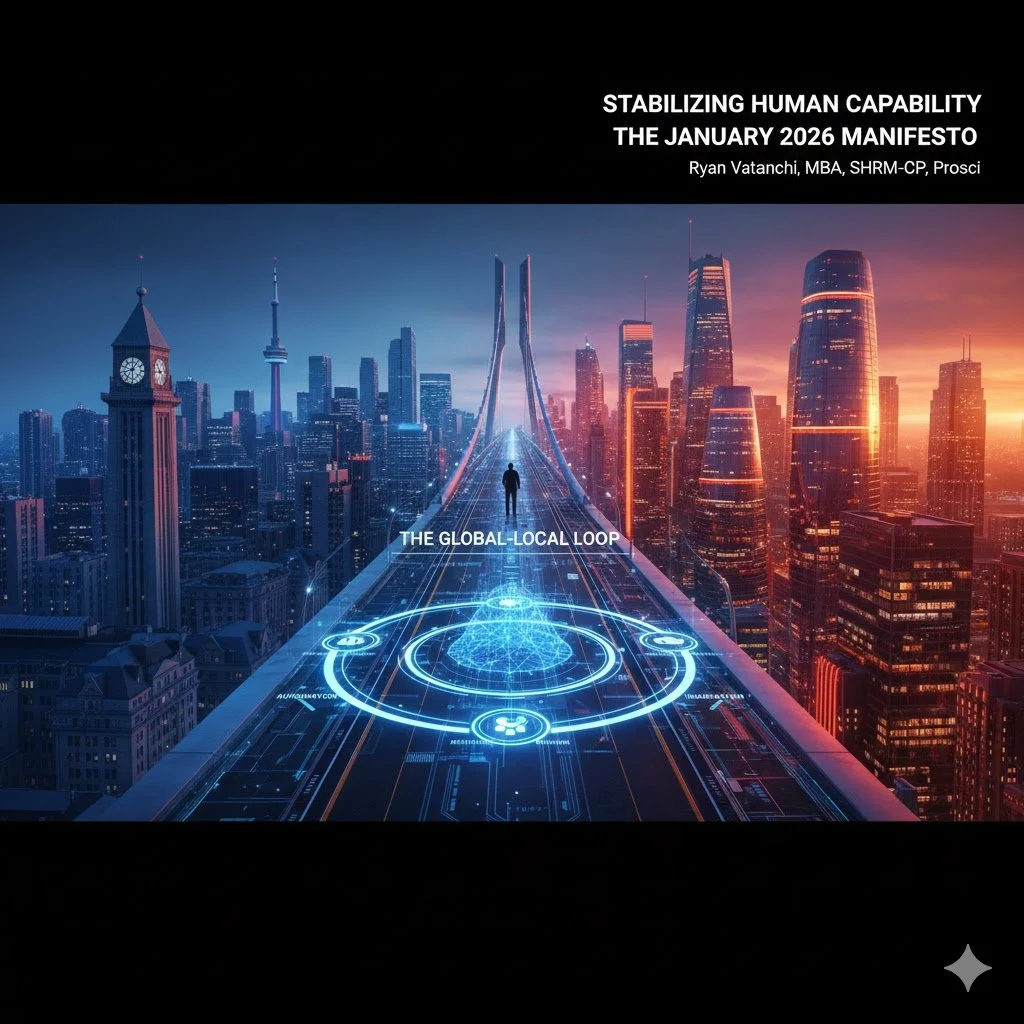
Stabilizing Human Capability: The January 2026 Manifesto
Ryan Vatanchi's Global-Local Loop: A futuristic bridge connecting Toronto and Dubai skylines, representing the transition to the Agentic Age and the ROAI framework.
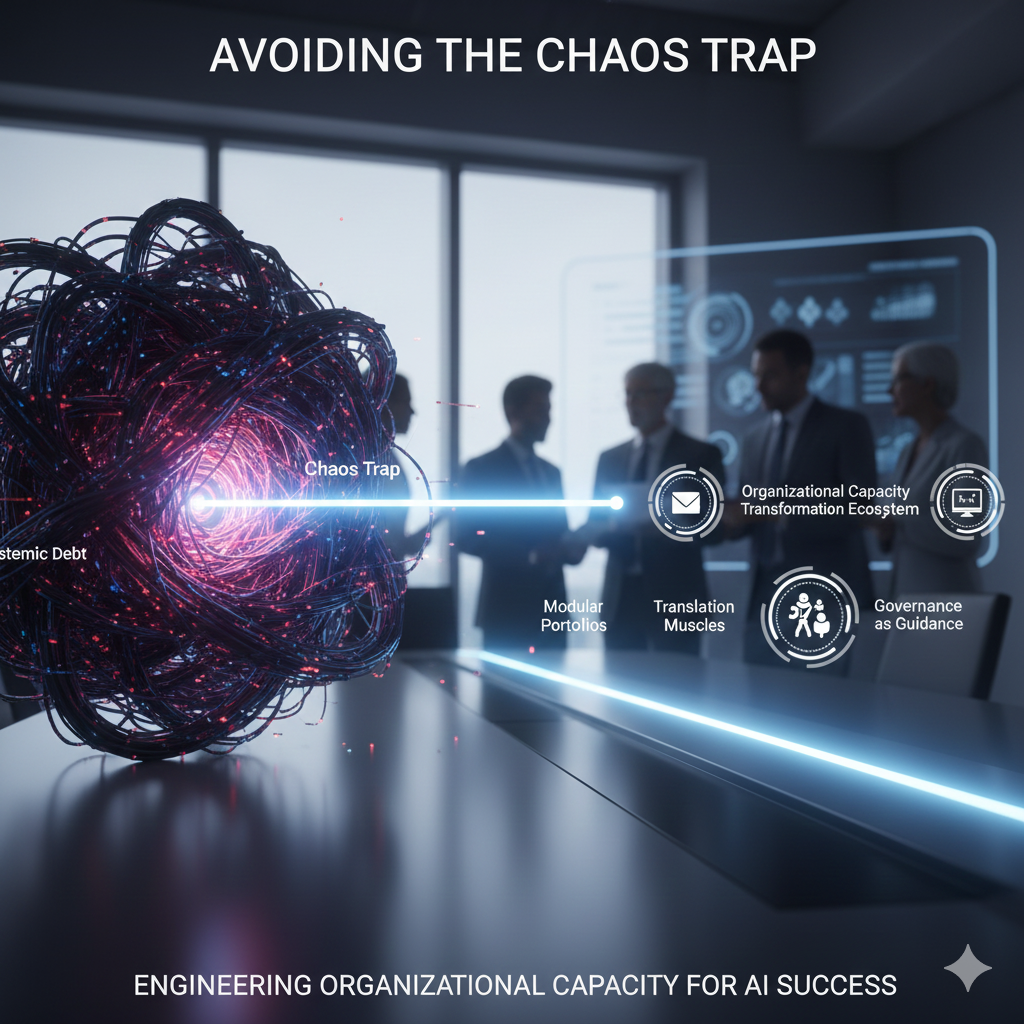
Avoiding the "Chaos Trap": Engineering Organizational Capacity in the Agentic Age
The greatest risk in the Agentic Age isn't the technology itself—it’s the 'Chaos Trap.' As I recently discussed with Dave Ulrich, while AI enables our imagination to turn ideas into impact, that impact requires a stable foundation. Without engineering systemic capacity, high-speed AI simply creates 'Automated Chaos.' Explore how the #Supermanager acts as the stabilizer in 2026, building the resilient human structures needed to scale innovation without accumulating systemic debt.
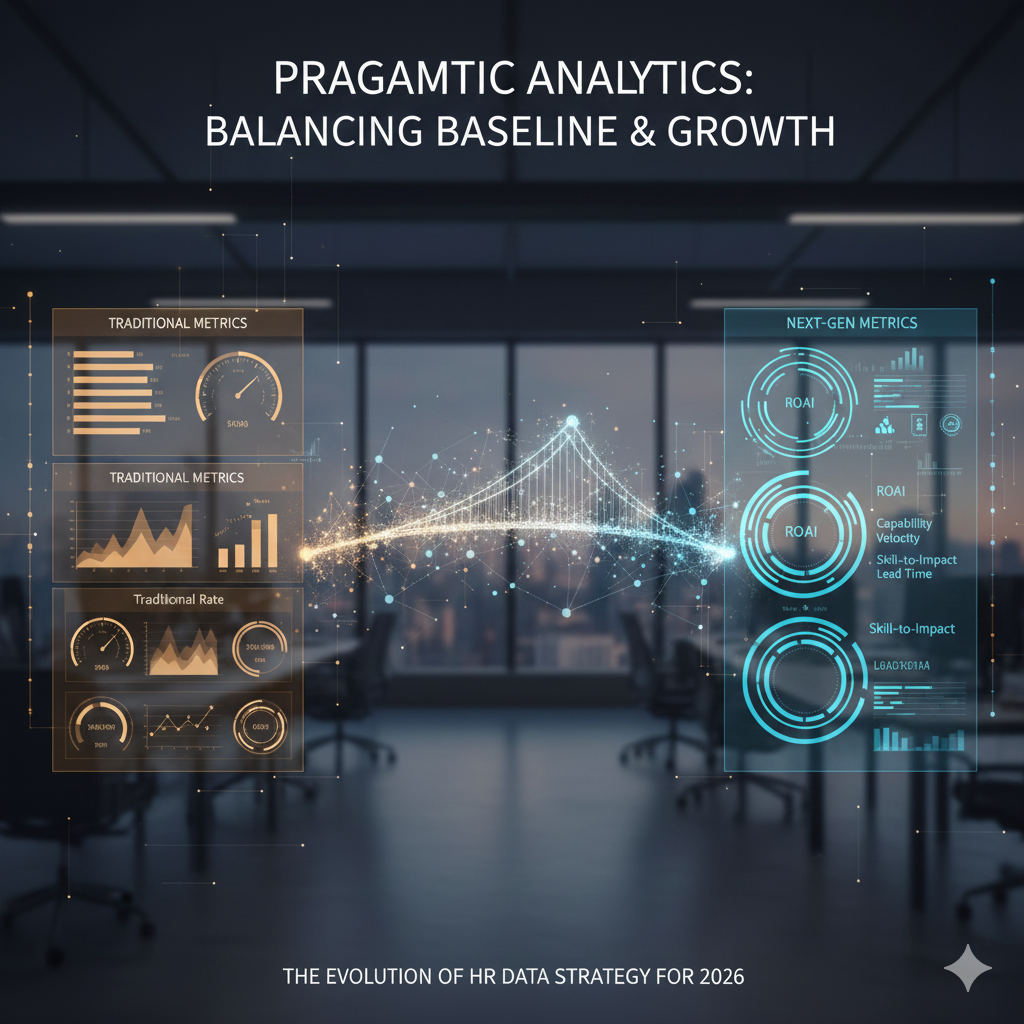
Beyond the Dashboard: Pragmatic Analytics for the 2026 Leader
True leadership in the Agentic Age isn't about choosing between the old and the new; it’s about integration. While traditional metrics like turnover and engagement remain our essential baseline, they no longer tell the whole story of performance. To lead with precision in 2026, we must layer on pragmatic indicators like ROAI and Capability Velocity. Explore how to move your analytics from a 'rearview' report to a 'real-time' orchestration of human and machine intelligence.
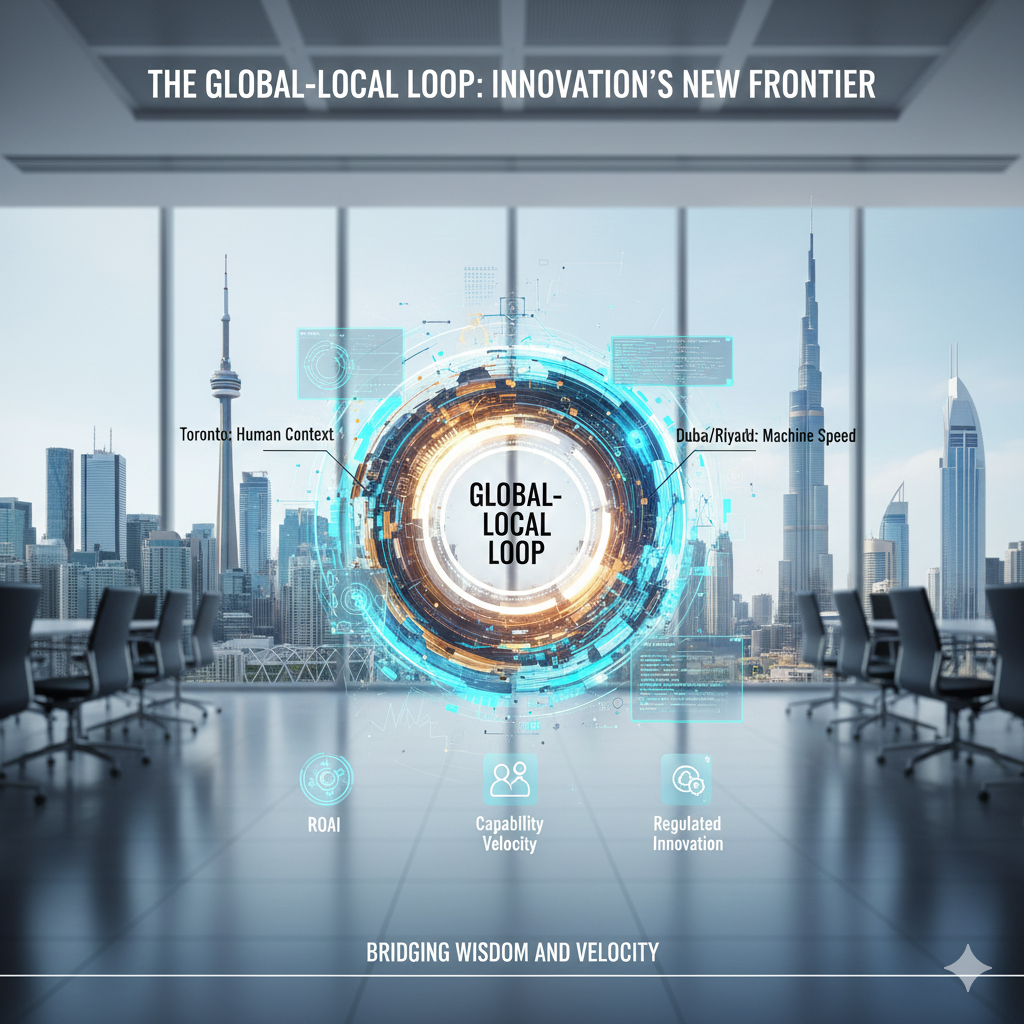
The Global-Local Loop: Why the GCC is the Innovation Lab for North American HR
While many view the GTA and the GCC as disparate markets, the reality of 2026 is a shared challenge: the need for unprecedented Capability Velocity. By treating the GCC as a high-velocity 'Innovation Lab,' North American HR leaders can discover a blueprint for solving the productivity gap using ROAI and Strategic Change Management. Explore how the Global-Local Loop allows us to pair international speed with local wisdom to lead the Agentic Age.
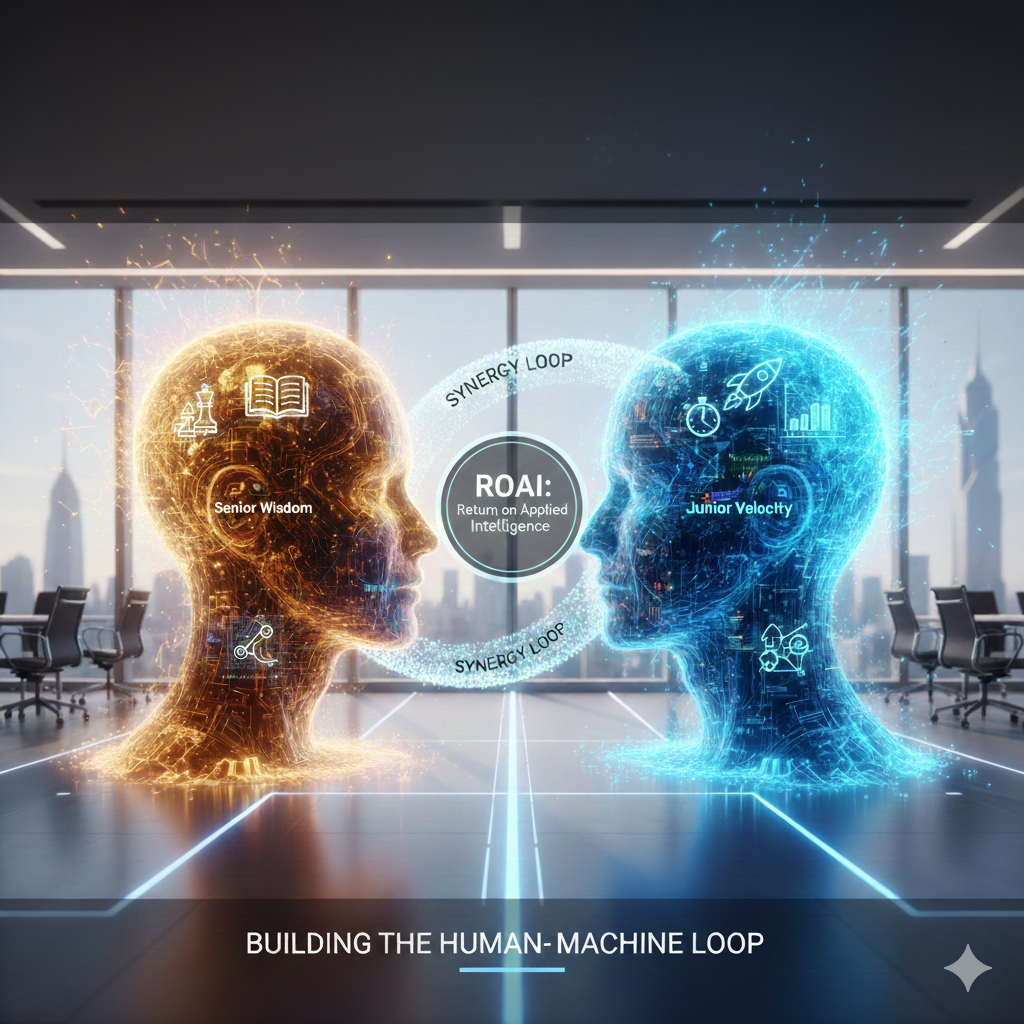
The Wisdom Multiplier: Why Experience is the Secret to AI Success in 2026
In the Agentic Age, the most successful teams aren't the ones with the newest tools—they are the ones that have mastered the Wisdom Multiplier. By pairing the strategic 'guardrails' of experienced tenure with the 'digital velocity' of AI-native talent, organizations can finally bridge the gap between human context and machine speed. Discover how the Synergy Model is redefining mentorship and driving a higher ROAI for 2026